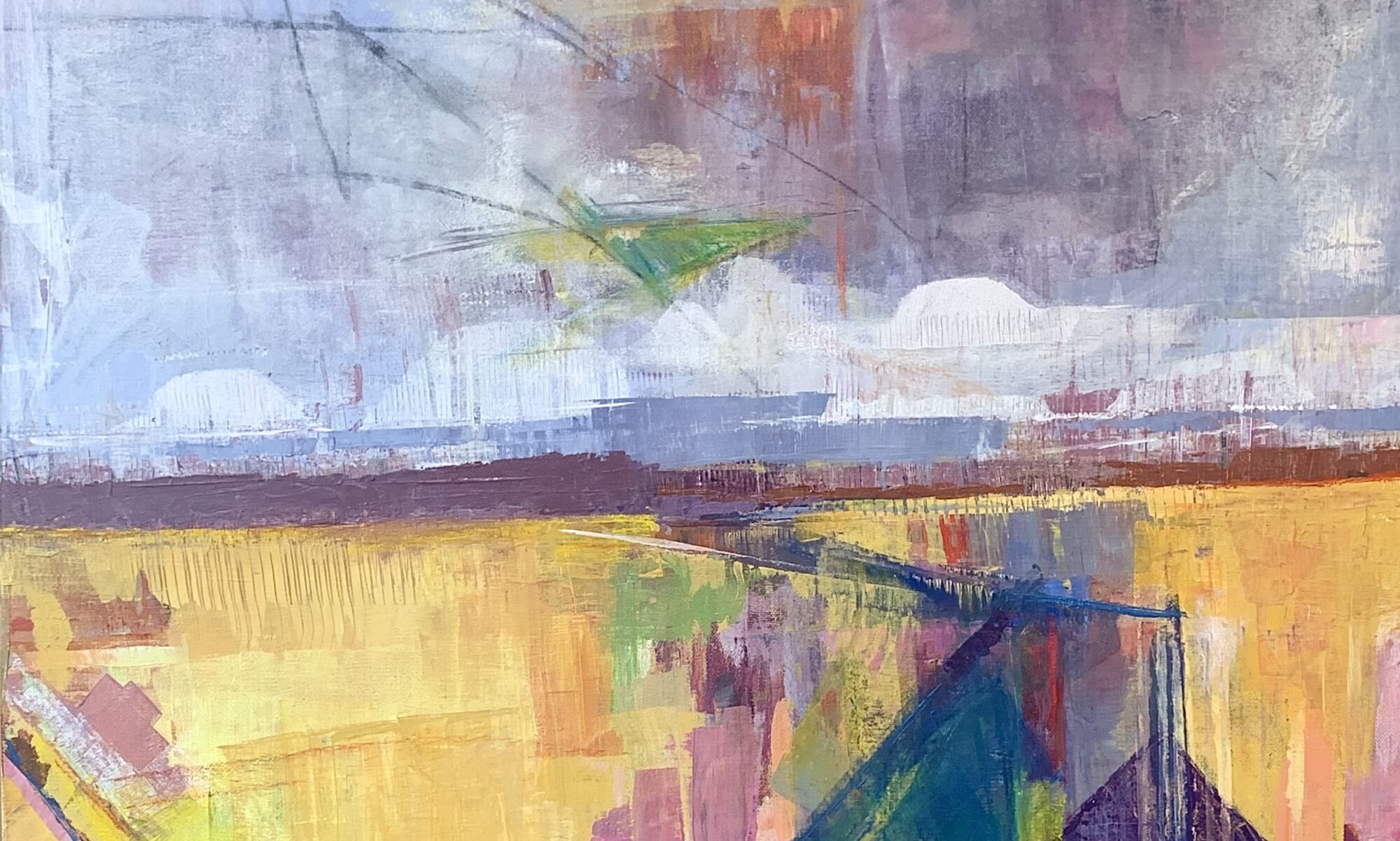
Any creative person knows what it feels like when that creativity is “blocked”. It is a feeling of anxiety, frustration, and confusion. The past few weeks I have spent preparing for classes and upcoming exhibits This means less time at the easel and more time at the computer. This shift in focus makes it that much harder to go back to the easel when I have a few hours. The best cure that I have found for painter’s block is to use the time for “play”. Really good art should always be play, but allowing myself permission to deviate from a structured body of work or theme and experiment still feels a bit like recess. Today I pulled out my colored pencils and worked them into a few struggling watercolors. I didn’t worry about the end result or how this relates to any of my other work. I cleared my brain and just made marks. An unproductive morning suddenly feels productive.
Writing Daily
I cannot stress enough the importance of writing daily. Whether it is done in a journal, sketchbook, or on the computer – an artist needs to write daily. If you have ever had the experience of a profound insight while talking something out to yourself or to another person, then you know what I mean. (This happens to me a lot in the car for some reason.) Writing allows for an open stream of consciousness that leads to new ideas. Sometimes it is really hard and I have to force myself. I will begin by writing the most mundane things – what I am doing at that moment, what I dreamt about the night before, or what my plans for the day are. Ideally this will lead to me writing about more complex issues regarding my life and art. My life and art are related and interwoven, so it is impossible to write about one without writing about the other. Regardless, this active attention forces me to discover things about myself and my work. It forces me to sit back and analyze my habits. Writing leads to clarity and ultimately better art. If necessary I often prompt myself with questions such as, “why am I painting this?” or “why did I use those colors?” or why is the painting this size?”. These questions allow me to look more analytically at what I am doing and why. This is helpful both before picking up the brush and also after putting it down. Writing, done consistantly, will open creative doors you wouldn’t even know existed. It all seems obvious enough but today I was looking back over some of my old journals and sketcbooks and I was reminded of this value. I wanted to take the opportunity to share. Happy writng!
Alone in the Park
pastel on paper
8” x 11”
$200.00 via PayPal
$5.00 shipping within US
Violet Shadows
oil on canvas
11” x 14”
$500.00 via PayPal
$10.00 shipping within US