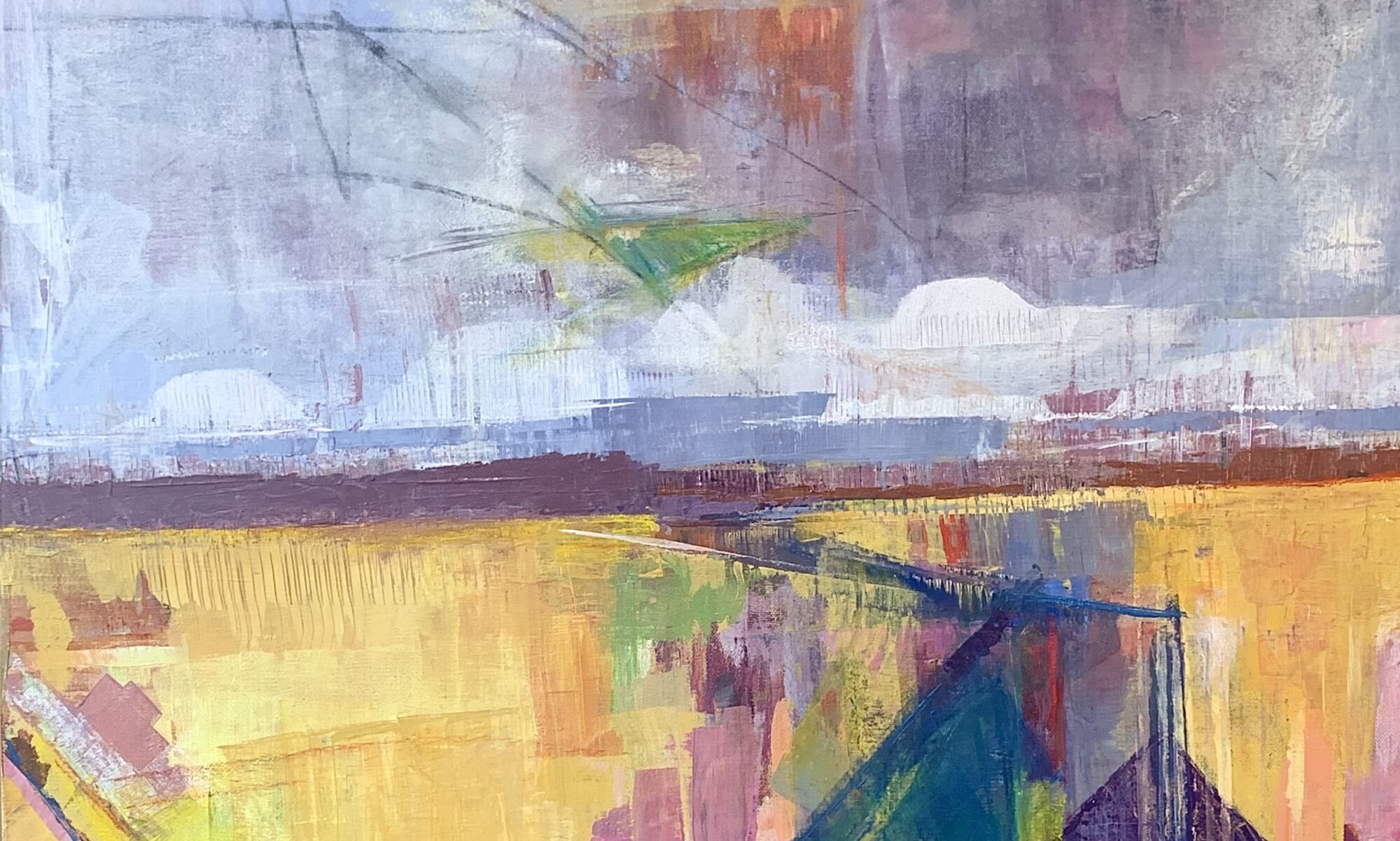
It can be a very difficult thing to throw a painting away. Once I have made a serious commitment of time and materials to a piece I never want to quit. I have struggled through some pretty miserable paintings and have found success in the end. The more I push and the more paint I apply, the harder it is to give up. I understand intellectually that the time and energy are never wasted because the learning process is more valuable then the product. Emotionally, however, it is still a feeling of utter failure.
I came across this Wednesday. There is this painting I have been pulling out and working on for a month or so. I kept changing my mind about everything and it just refused to meet that indescribable place in the creation process where I go “yes!” Such a moment exists by the way.
The paint on this thing was getting horribly thick, so thick I couldn’t reasonably paint on it anymore. After 2 hours I made a quick and sudden decision to end the suffering. Without thinking too long or hard about it I jabbed my pallet knife through the canvas, tearing the piece down the center. Oh the freedom. I had to physically destroy it to prevent myself from ever returning to it again. I felt sad, and frustrated. It was not so much about the wasted time as it was about the wasted paint. I mean, we are talking about a lot of paint. Despite this, I felt very good about myself and my ability to make that decision. I trust that I know when I have a painting worth saving and when I don’t. I got over the loss quickly, but the confidence and relief remains.