15″ x 11″
chalk pastel on paper
$150.00 via PayPal
$5.00 shipping within US
contemporary landscapes
15″ x 11″
chalk pastel on paper
$150.00 via PayPal
$5.00 shipping within US
11″ x 15″
chalk pastel on paper
$150.00 via PayPal
$5.00 shipping within US
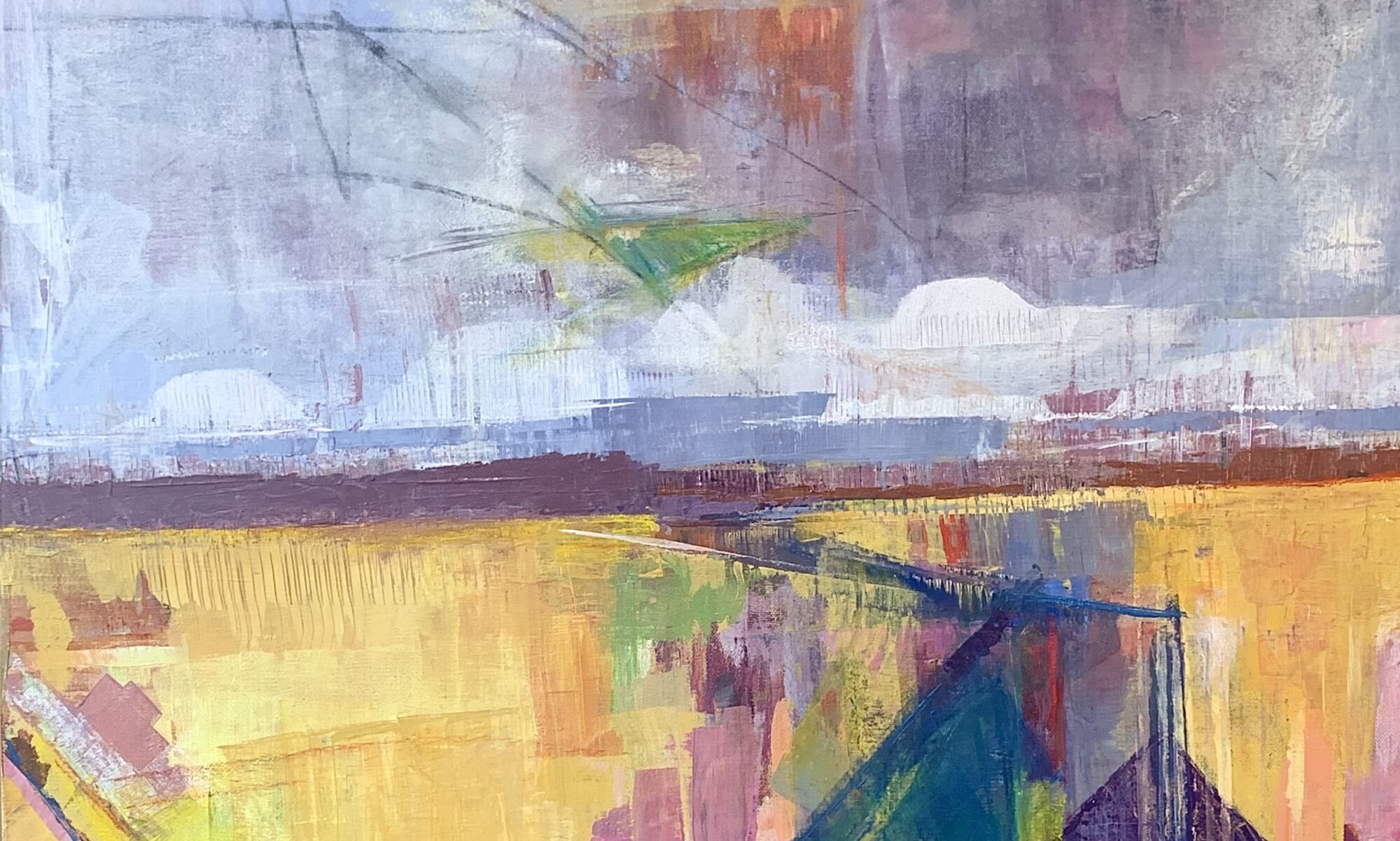
I had been titling my recent works “freescapes” which I think was always a stand-in title, so today I gave it some thought. Sticking with the “scapes” thing was worrisome to me, coming out of my forestscape works, but these recent works are not a huge departure. I wanted to be honest to what they are, without overloading them with clever titles. So they are now the “Chromascape Series”. They are landscapes of color, handled intuitively. An official artist statement coming soon.
I would also like to take this opportunity to note that I am taking a bit of a break from exhibiting. This is intentional. I may still be doing a few things, but I am pulling back for a while. I want to focus on this new body of work with a clear, honest attitude that is not complicated by thoughts of business, sales, and exhibition. I want to focus on pure art making for a while. I began to feel a little too much like I was manufacturing for shows and sales. This is a time of reflection, focus, and studio work. So, if my calender looks bleak for the next 6 months or so, that is why.
18″ x 24″
pastel on paper
$250.00 via PayPal
$10.00 shipping within US
acrylic on canvas
24″ x 18″
18″ x 24″
2010
$250.00 via PayPal
$10.00 shipping within US
One issue that has been consistently problematic for me in my work has been the distinction between macro and micro in my more abstract pieces. The question is: are we looking at something from very far away, or up close? Is it a galaxy, landscape, or cells under a microscope? In organic abstraction, many of these things can look very much the same. I think this is very telling of the creation of matter and life. None the less, as an artist, is the ambiguity acceptable? I think it is a cop-out to “let the view see what they want”. I think artists use this as a lazy excuse to not take responsibility for an image’s interpretations. Yet, I also do not know if I want to decide. I have made enough new works now in this most recent series where I can step back and begin to see problems in the group. I did this today. The first this I noticed was that some read is macro, and some read as micro. I realized that I have to consider this in going forward.
One thing that strikes me at interesting is the very subtle differences that make a work macro or micro. All it really takes is a subtle horizontal line and you have an instant landscape. Similarly, a few small random circles and bubbles can become primordial soup. Verticals are easily trees. But abstraction is a slippery slope, where you either embrace the conventional wisdom, or challenge it. I guess I have to challenge it, and while I am not sure how I will do this yet, I am sure that in the process I will have to be aware of such factors. This also means being more aware of what I am abstracting. I have intended my works to be read as organic abstractions based on landscapes, but I think I need to be more specific about what that means and where the viewer is in relation to it. I know part of this argument will become one about size. They have to be bigger, I know. What I have never liked about size is the loss of intimacy. I struggle with giving these images the power of being environments rather then objects.
acrylic on canvas
24″x 36″
“A conceptual work- one which followed completely a predetermined course of design-as happens in the fields of design, belongs essentially to theory and critism and not to art as such…”
-Jack Tworkov (excerpt from a 1968 journal as printed by Art in America book review Dec. 2009)
Jack Tworkov (1900-1982) was one of the founders of abstract expressionism in America, working with such great artists as Willem de Kooning and Jackson Pollock. “The Writngs of Jack Tworkov: The Extreme of the Middle” was recently published by Yale University Press, and I look forward to reading it.